
Magic Mushrooms
Unlocking the Power of Magic Mushrooms: how psilocybin in magic mushrooms affects brain function
May
The growing interest in magic mushrooms has sparked a wave of scientific research exploring how psilocybin affects the human brain. Once misunderstood and heavily stigmatized, psilocybin is now being studied for its potential to improve mental health, increase cognitive flexibility, and even promote neurogenesis. As researchers continue uncovering the mysteries behind psychedelic compounds, magic mushrooms are emerging as one of the most fascinating subjects in modern neuroscience. Unlocking the Power of Magic Mushrooms and know how psilocybin in magic mushrooms affects brain function
At Psychedelics Galaxy, many enthusiasts are exploring premium psilocybin mushroom strains known for their unique effects, spiritual depth, and transformative experiences.
What Happens in the Brain After Taking Psilocybin?
When magic mushrooms are consumed, psilocybin is converted into psilocin inside the body. Psilocin then interacts with serotonin receptors in the brain, especially the 5-HT2A receptor, which plays a major role in mood, perception, and cognition.
This interaction can lead to:
- Enhanced creativity
- Altered perception of time and space
- Increased emotional openness
- Deep introspection
- Spiritual or mystical experiences
Scientists have also discovered that psilocybin influences glutamate, the brain’s primary excitatory neurotransmitter responsible for learning, memory, and neural plasticity. Increased glutamate activity in the prefrontal cortex may explain why many users report expanded thinking patterns and emotional breakthroughs.
Psilocybin and Brain Connectivity
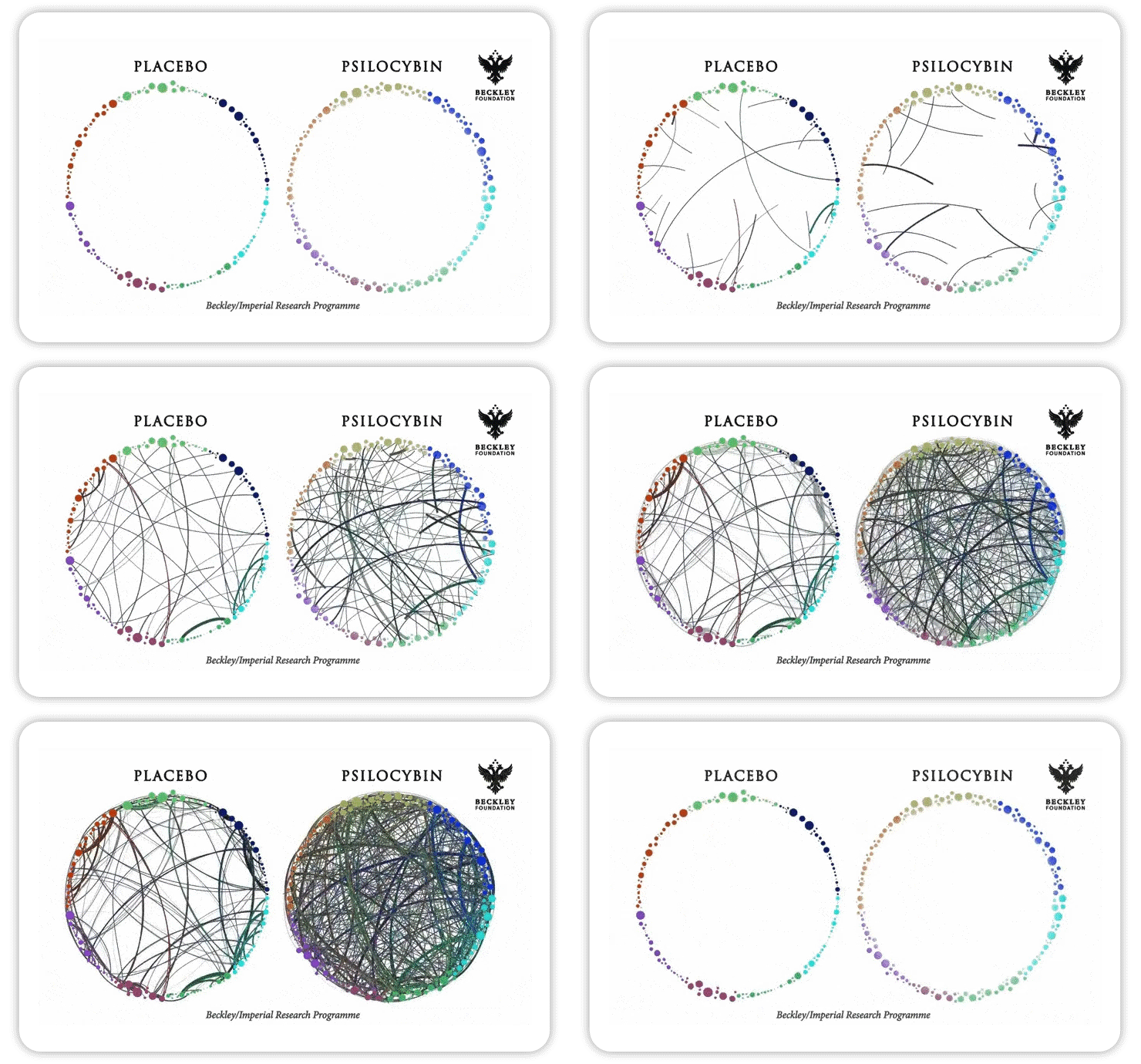
One of the most groundbreaking discoveries in psychedelic research is how psilocybin changes communication between different brain regions. Functional MRI studies show that psilocybin reduces activity in rigid brain networks while increasing connectivity between normally separate areas of the brain.
This phenomenon, often referred to as “network disintegration and integration,” may explain:
- Ego dissolution
- Enhanced empathy
- Increased openness
- Expanded consciousness
- Improved emotional processing
Researchers believe these changes could help individuals break free from negative thought loops associated with depression, PTSD, and anxiety disorders.
Can Magic Mushrooms Promote Neurogenesis?
Recent animal studies suggest that psilocybin may support neurogenesis — the growth of new neurons in the brain. This is particularly important in the hippocampus, a brain region closely tied to memory, emotional regulation, and stress management.
Researchers observed that psilocybin exposure improved adaptability and learning abilities in test subjects. While human research is still ongoing, these findings suggest exciting therapeutic possibilities for conditions such as:
- Depression
- Anxiety
- PTSD
- Addiction
- Neurodegenerative disorders
The potential for psilocybin-assisted therapy is becoming increasingly recognized in modern medicine, with institutions such as Johns Hopkins Center for Psychedelic and Consciousness Research and MAPS (Multidisciplinary Association for Psychedelic Studies) leading groundbreaking studies.
The Relationship Between Psilocybin and Mental Health
Many neurologists believe psilocybin’s ability to increase brain plasticity may help individuals reframe traumatic experiences and destructive behavioral patterns. Some studies even suggest that psilocybin therapy may offer long-lasting relief from depression after only a few guided sessions. how psilocybin in magic mushrooms affects brain function
Unlike many traditional antidepressants, psilocybin appears to work by temporarily disrupting rigid neural pathways, allowing the brain to form healthier connections. This flexibility may explain why users frequently report:
- Emotional healing
- Increased life satisfaction
- Reduced fear of death
- Greater connection to nature
- Enhanced mindfulness
Popular Magic Mushroom Strains Available at Psychedelics Galaxy
Different strains of magic mushrooms produce unique effects, potency levels, and visual experiences. Some of the most sought-after varieties include:
- Buy Blue Meanie Mushrooms
- Buy Enigma Magic Mushrooms
- Buy Golden Teacher Mushrooms
- Buy Penis Envy Mushrooms
Each strain offers a unique balance of visual effects, introspection, emotional depth, and potency.
The Spiritual Connection of Magic Mushrooms
Many researchers and users believe magic mushrooms help reconnect individuals with nature and deeper levels of consciousness. Psilocybin experiences often produce feelings of unity, compassion, and interconnectedness that can remain long after the psychedelic effects fade.
This growing body of research is helping scientists better understand not only psychedelics, but also consciousness itself.
Ethical Considerations and Responsible Use
Although psilocybin research is highly promising, responsible use remains essential. Psilocybin is still regulated differently across many countries and states, making education and harm reduction critically important. how psilocybin in magic mushrooms affects brain function
Experts recommend:
- Controlled therapeutic settings
- Proper dosage awareness
- Mental health screening
- Safe and supportive environments
- Continued scientific research
As laws evolve and clinical trials continue, psilocybin may become an important tool in the future of mental health treatment.
The Future of Psilocybin Research
The future of psychedelic science looks increasingly promising. Researchers are actively studying how psilocybin may reshape mental health care, improve emotional well-being, and deepen our understanding of the human brain.
With continued research and responsible exploration, magic mushrooms may unlock entirely new approaches to healing, creativity, and consciousness.
FAQ
What does psilocybin do to the brain?
Psilocybin converts into psilocin, which interacts with serotonin receptors in the brain. This can alter mood, perception, cognition, and emotional processing while increasing brain connectivity.
Can magic mushrooms help with depression?
Emerging research suggests psilocybin-assisted therapy may help reduce symptoms of depression by increasing neural plasticity and disrupting negative thought patterns.
What are the most popular magic mushroom strains?
Some highly popular strains include Blue Meanie, Golden Teacher, Penis Envy, and Enigma mushrooms, each offering different potency levels and psychedelic experiences.
Is psilocybin being studied medically?
Yes. Institutions such as Johns Hopkins and MAPS are conducting clinical research on psilocybin for depression, PTSD, anxiety, addiction, and end-of-life distress.
Are magic mushrooms natural?
Yes. Psilocybin mushrooms are naturally occurring fungi that have been used for centuries in spiritual and ceremonial practices.
What is neurogenesis and how does psilocybin affect it?
Neurogenesis is the formation of new neurons in the brain. Early studies suggest psilocybin may promote neurogenesis, particularly in brain regions associated with memory and emotional regulation.
