

Buy Peyote Cactus (Lophophora Willamsii)
Price range: $90.00 through $285.00
Buy Peyote Cactus (Lophophora williamsii) online from Psychedelics Galaxy. This iconic spineless cactus is recognized for its unique botanical structure, slow growth cycle, and deep cultural significance in North American ethnobotany. Carefully cultivated and highly sought after by collectors and ethnobotanical researchers, Peyote remains one of the most historically important cactus species in the world.
Buy Peyote Cactus (Lophophora williamsii) Online
Premium Peyote Cactus for Ethnobotanical Research and Collection
Looking to buy Peyote Cactus (Lophophora williamsii) from a trusted online source? Psychedelics Galaxy offers premium cultivated Peyote cactus specimens recognized for their distinctive appearance, slow growth rate, and historical importance within North American ethnobotany.
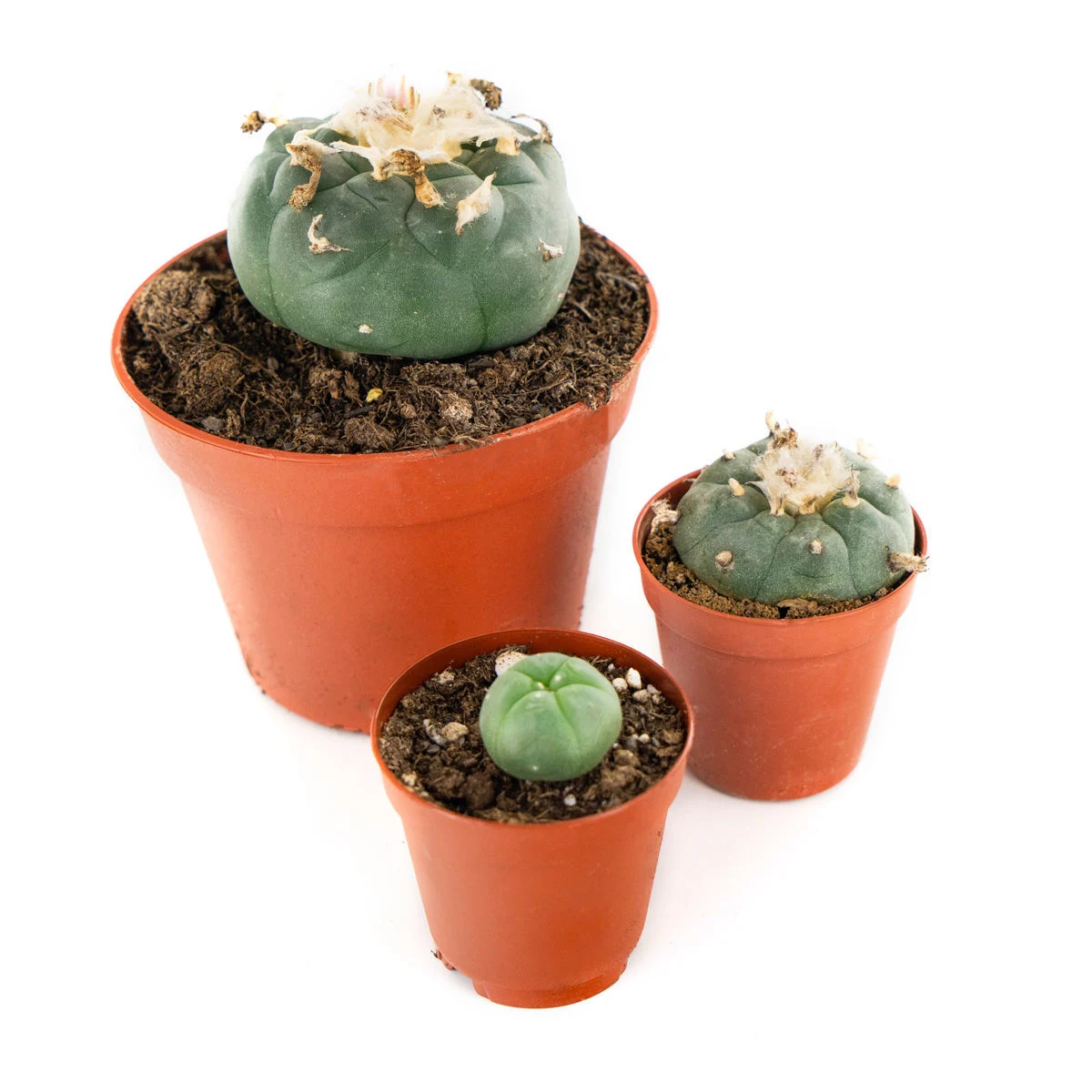
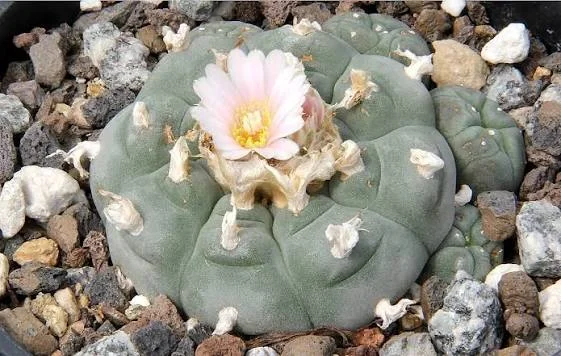
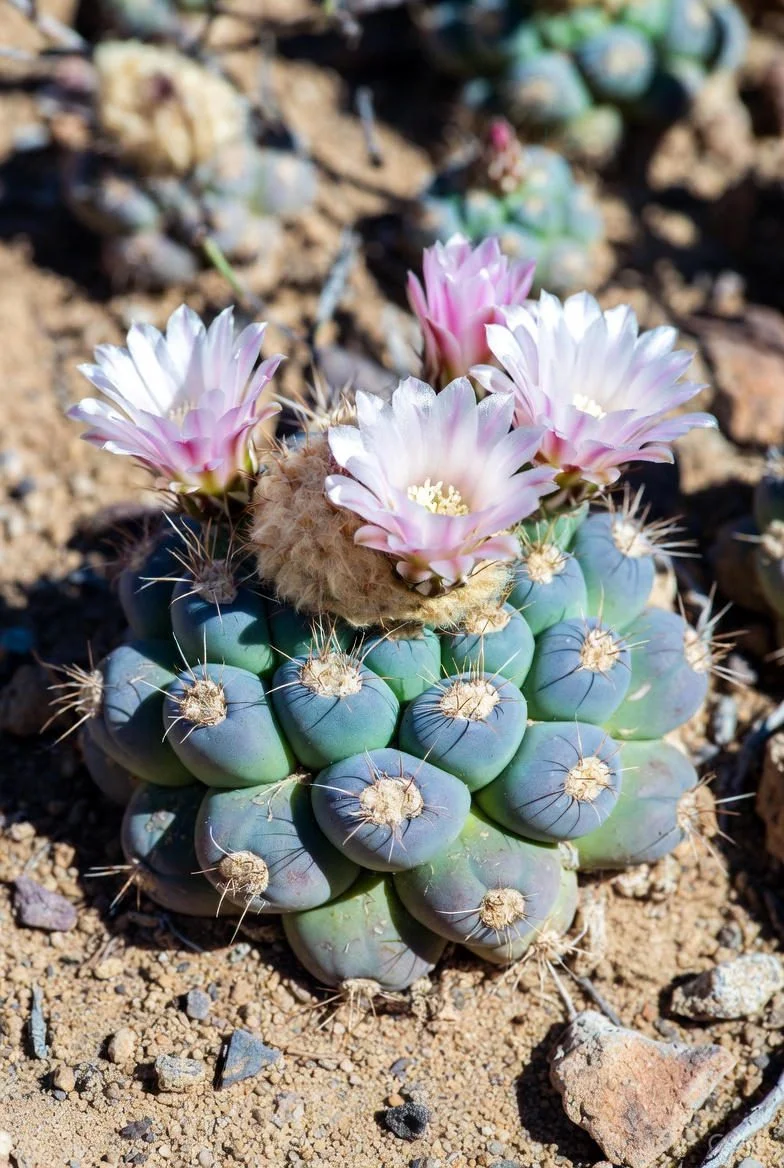
Lophophora williamsii is a small, spineless cactus species native to the desert regions of southern Texas and northern Mexico. Known for its rounded, button-like structure and blue-green coloration, Peyote is one of the most recognized cactus species studied in desert botany and Indigenous ceremonial traditions.
Unlike many desert cacti, Peyote grows low to the ground and develops smooth vertical ribs rather than protective spines. Mature specimens can take over a decade to fully develop, making Peyote one of the slowest-growing cactus species in North America. Buy Peyote Cactus
Its rarity, cultural significance, and unique appearance continue to make Peyote highly sought after among ethnobotanical collectors, cactus enthusiasts, and desert plant researchers.
Botanical Classification of Peyote Cactus
Scientific Classification
- Scientific Name: Lophophora williamsii
- Plant Family: Cactaceae
- Common Name: Peyote Cactus
- Native Habitat: Southern Texas and Northern Mexico
- Growth Pattern: Slow-growing spineless cactus
- Flowering Season: Spring through early summer
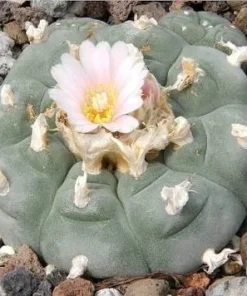
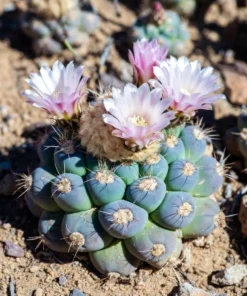
The cactus produces delicate pink or white flowers followed by elongated pink fruit containing seeds.
Botanical references from organizations such as the Missouri Botanical Garden and Royal Botanic Gardens Kew continue documenting cactus species and desert plant conservation research. Buy Peyote Cactus
Natural Habitat and Growing Conditions
Peyote naturally thrives in harsh desert environments with very specific ecological conditions.
Preferred Habitat Conditions
Lophophora williamsii commonly grows in:
- Limestone-rich soils
- Semi-arid desert ecosystems
- Rocky terrain
- Low rainfall environments
- Warm desert climates
- Elevations below 5,000 feet
Wild Peyote populations are primarily found within:
- Southern Texas
- Rio Grande Valley regions
- Northeastern Mexico desert zones
The U.S. Fish and Wildlife Service continues monitoring desert habitat conservation and native species protection across these regions.
Why Peyote Cactus Is So Unique
Several characteristics make Peyote one of the most fascinating cactus species in ethnobotanical history.
Spineless Structure
Unlike many cacti, Peyote lacks sharp defensive spines and instead develops smooth ribbed surfaces.
Extremely Slow Growth
Mature Peyote plants may require 10–15 years to fully develop in natural conditions.
Distinctive Appearance
Its rounded blue-green crown and button-like shape make it visually recognizable among collectors.
Historical Ethnobotanical Importance
Peyote has been studied extensively in relation to Indigenous ceremonial traditions and North American desert cultures.
Cultural and Historical Significance of Peyote
Peyote has held ceremonial importance among numerous Indigenous communities for centuries. It has historically been associated with:
- Prayer ceremonies
- Spiritual gatherings
- Traditional cultural practices
- Community rituals
- Sacred ethnobotanical traditions
The Native American Church continues recognizing Peyote’s role within protected ceremonial traditions under specific legal exemptions in the United States.
Understanding Peyote requires cultural respect, historical awareness, and recognition of its sacred significance within Indigenous communities. Buy Peyote Cactus
Peyote Conservation and Environmental Concerns
Due to habitat destruction, overharvesting, and climate pressures, Peyote populations face increasing conservation challenges.
The International Union for Conservation of Nature (IUCN) monitors global conservation efforts involving vulnerable plant species and desert ecosystems.
Major Conservation Challenges
- Habitat destruction
- Urban land development
- Illegal harvesting
- Climate change
- Slow natural regeneration
- Limited wild population recovery
The National Park Service also highlights the importance of sustainable desert ecosystem preservation and responsible environmental stewardship.
Because Peyote grows extremely slowly, sustainable cultivation and habitat protection remain critical for long-term species preservation. Buy Peyote Cactus
Legal Considerations for Peyote Cactus
The legal status of Peyote varies significantly depending on country, state, and jurisdiction.
In the United States, Peyote is generally classified as a controlled substance with limited exemptions for recognized ceremonial and religious use.
Anyone researching Peyote should review applicable local, federal, and international laws before engaging with the plant in any capacity.
For updated legal guidance, consult official regulatory resources such as the U.S. Drug Enforcement Administration (DEA).
Who Collects Peyote Cactus?
Peyote remains highly sought after among:
- Ethnobotanical researchers
- Desert plant collectors
- Rare cactus enthusiasts
- Botanical hobbyists
- Conservation-focused growers
- Academic researchers
- Cultural historians
Its rarity and slow growth make cultivated Peyote especially valuable among specialized cactus collectors.
Why Buy Peyote Cactus from Psychedelics Galaxy?
At Psychedelics Galaxy, we focus on premium ethnobotanical products and carefully sourced cactus specimens.
When you order from our store, you receive:
- Carefully cultivated cactus specimens
- Secure online checkout
- Discreet packaging
- Reliable customer support
- Fresh inventory rotation
- Premium ethnobotanical collections
Visit Psychedelics Galaxy to explore our growing collection of ethnobotanical products and rare desert plants.
Related Ethnobotanical Products
Customers interested in Peyote Cactus may also explore:
- Buy Premium Mimosa Hostilis Root Bark
- Buy Premium Mimosa Hostilis Root Bark Powder
- Buy San Pedro Cactus
- Buy Peruvian Torch Cactus
Storage and Care Recommendations
To maintain healthy Peyote cactus growth:
- Use well-draining cactus soil
- Avoid excessive watering
- Provide indirect sunlight or filtered desert light
- Protect from freezing temperatures
- Maintain dry conditions between watering cycles
Proper care is essential due to Peyote’s extremely slow growth rate.
Buy Peyote Cactus (Lophophora williamsii) Online Today
Peyote Cactus remains one of the most historically significant and visually recognizable cactus species in North American ethnobotany.
Its slow growth, unique appearance, cultural importance, and rarity continue making Lophophora williamsii highly valued among cactus collectors, researchers, and desert plant enthusiasts worldwide.
Order premium Peyote Cactus online today from Psychedelics Galaxy and explore one of the most iconic desert cactus species ever documented. Buy Peyote Cactus
Frequently Asked Questions
What is Peyote Cactus?
Peyote (Lophophora williamsii) is a small spineless cactus species native to southern Texas and northern Mexico.
How long does Peyote take to grow?
Peyote is one of the slowest-growing cacti and may require 10–15 years to fully mature.
Where does Peyote naturally grow?
Peyote naturally grows in limestone-rich desert regions of southern Texas and northern Mexico.
Why is Peyote culturally significant?
Peyote has been used for centuries within Indigenous ceremonial and spiritual traditions.
Is Peyote difficult to cultivate?
Due to its slow growth and environmental requirements, Peyote requires patience and proper desert-style growing conditions.
Why is Peyote considered rare?
Habitat loss, slow regeneration, and conservation pressures have contributed to declining wild Peyote populations.
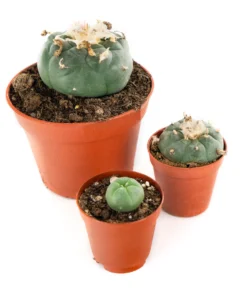
| Quantity | 4-5 cm, 6-7 cm, 10-11 cm |
|---|
Only logged in customers who have purchased this product may leave a review.
Related products

DMT Vapes
Psychedelic Powders

Psychedelic Plants
Psychedelic Plants
Psychedelic Plants
Psychedelic Plants
Psychedelic Plants
Psychedelic Plants
Reviews
There are no reviews yet.